Remembering the Fallen: Iran's Chehelom Amid Defiance and Sorrow
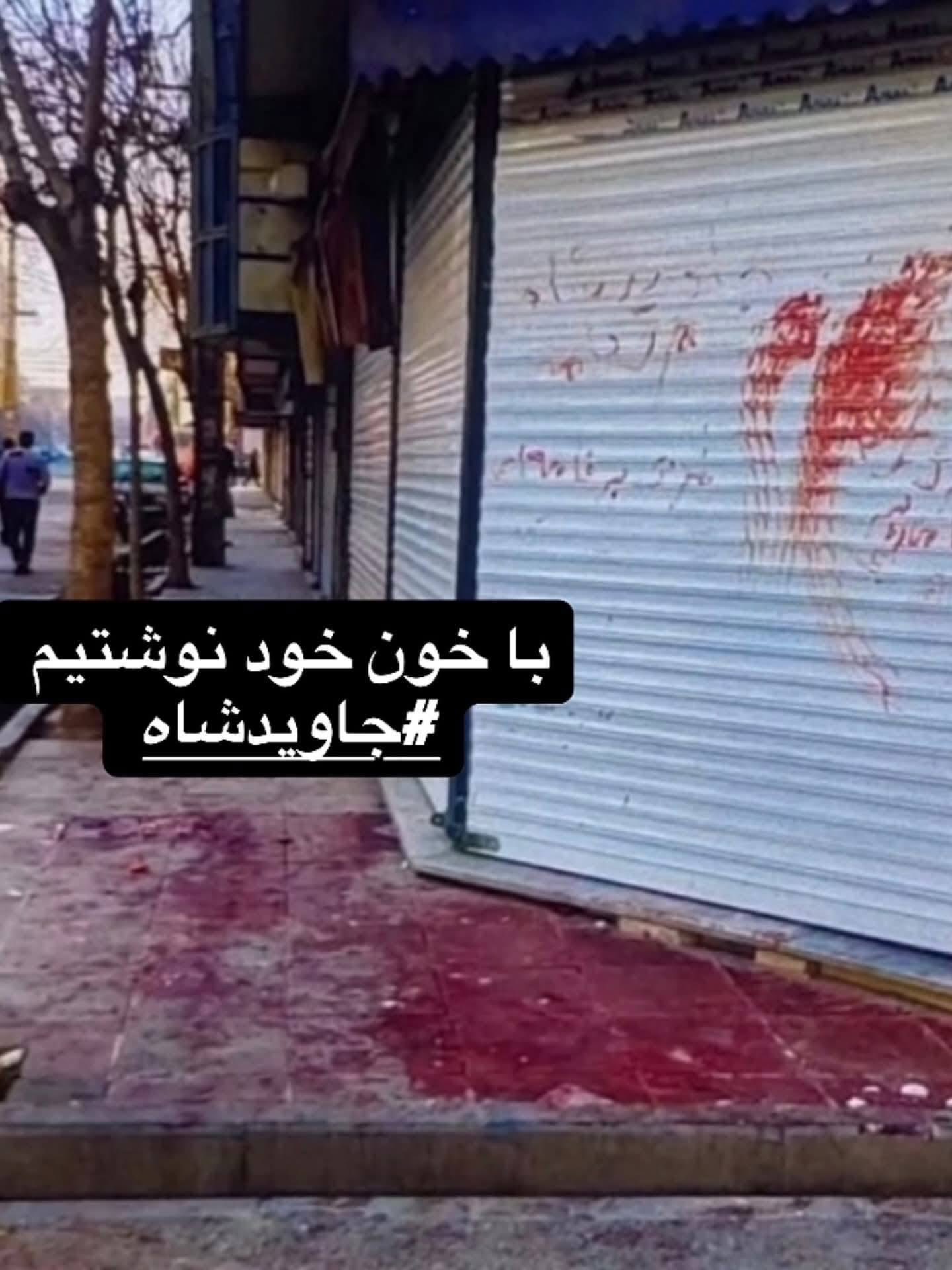
As the sun sets over Tehran and cities across Iran on this February evening in 2026, a profound silence is broken not by the call to prayer, but by echoes of grief that have transformed into something unbreakable—a collective resolve. Today marks the approximate 40th day since the brutal crackdown on January 8-9, when Iranian security forces unleashed unprecedented violence on protesters, claiming thousands of lives in what has been described as the deadliest massacre under the Islamic Republic’s rule. This period, known in Persian culture as “Chehelom”—the 40th day of mourning—traditionally serves as a time for families to gather, reflect, and honor the departed through quiet rituals rooted in Islamic and pre-Islamic customs. But in the wake of recent events, Chehelom has evolved beyond solemn remembrance; it has become a defiant act of resistance, where grief no longer hides in the shadows but spills into the streets, blending sorrow with calls for justice.
The Cultural Heart of Chehelom
In Iranian tradition, death is not an end but a passage marked by specific milestones. The third, seventh, and fortieth days after a loss hold special significance, with Chehelom standing as the culmination—a day when the soul is believed to fully transition, allowing the living to begin healing. Families host gatherings at gravesides or homes, sharing meals, reciting prayers, and distributing sweets or dates as symbols of life’s continuity. This practice draws from both Shia Islamic beliefs, emphasizing patience and divine reward, and ancient Zoroastrian influences that view the 40th day as a threshold for the spirit.
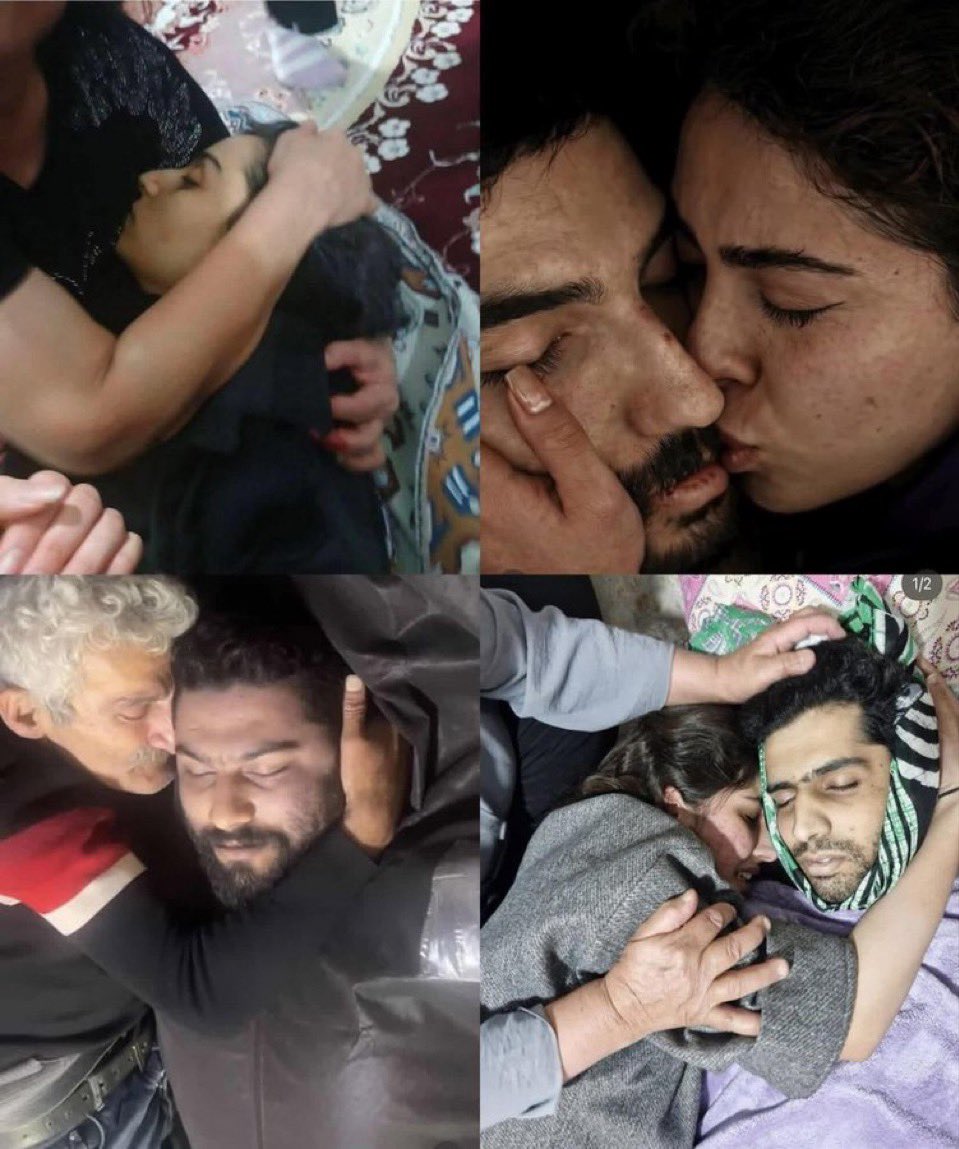
Yet, in times of unrest, Chehelom takes on a political dimension. Historical uprisings, from the 1979 Revolution to the 2009 Green Movement, have seen these memorials morph into flashpoints for protest. Today, amid the fallout from January’s nationwide demonstrations—sparked by economic despair, corruption, and demands for freedom—the 40th day observances are no exception. Reports from across Iran show crowds chanting anti-regime slogans at cemeteries, with security forces responding with tear gas and arrests. What was once a private Islamic custom of mourning has been upended; grief has become a celebratory event—not of joy, but of unyielding spirit. Families, pushing through the heaviest and darkest chapters of their lives, are turning their pain into public declarations of resilience, honoring the fallen by refusing to let their sacrifices fade into silence.
The January Massacre: A Nation’s Wound
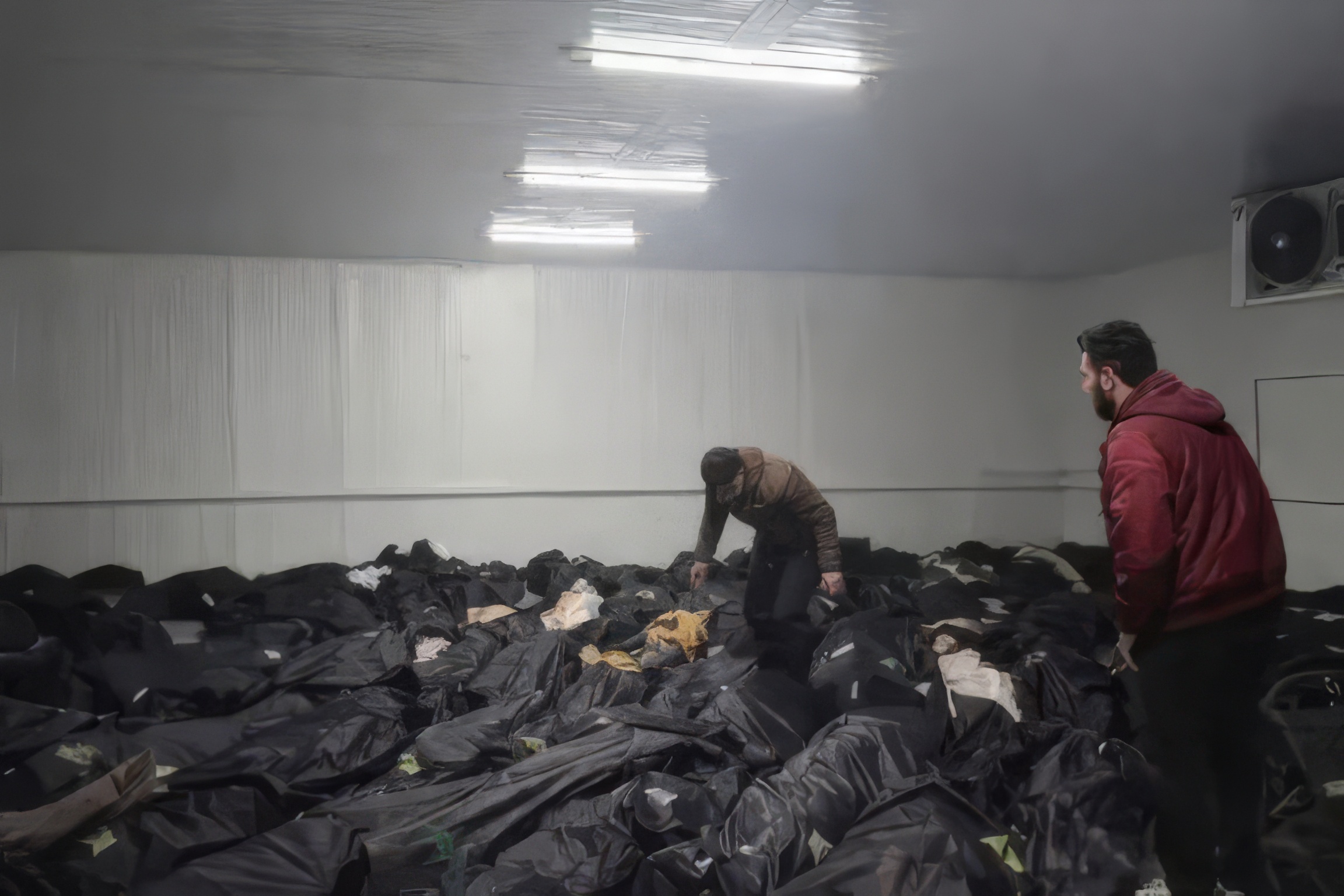
The events of January 8-9, 2026, will forever scar Iran’s collective memory. What began as peaceful protests against systemic failures escalated into a bloodbath, with estimates of over 36,500 deaths in just two days, according to independent reports. Security forces, under orders from the regime, opened fire on crowds in Tehran, Isfahan, Mashhad, and beyond, leaving hospitals overwhelmed and morgues overflowing. The government has downplayed the toll, claiming around 3,000 fatalities and labeling protesters as “terrorists,” but eyewitness accounts and diaspora networks paint a picture of indiscriminate slaughter.
In this chaos, ordinary Iranians—students, workers, artists, and healers—became martyrs. One such story captures the nation’s heartache: Aida Heidari, a 23-year-old medical student and aspiring doctor at the University of Tehran, was shot dead by direct fire from security forces in Tehran’s Sadeghiyeh district on January 8. Her mother, devastated beyond words, has been filmed night after night stepping onto her balcony, not to gaze at the stars, but to wail into the void: “May God answer me… My daughter was a doctor… I am burned with grief.” Neighbors report that her cries pierce the darkness, a raw outpouring that echoes the pain of countless families. Aida’s death, like so many others, highlights the regime’s targeting of the young and educated—those who dared to dream of a freer Iran.
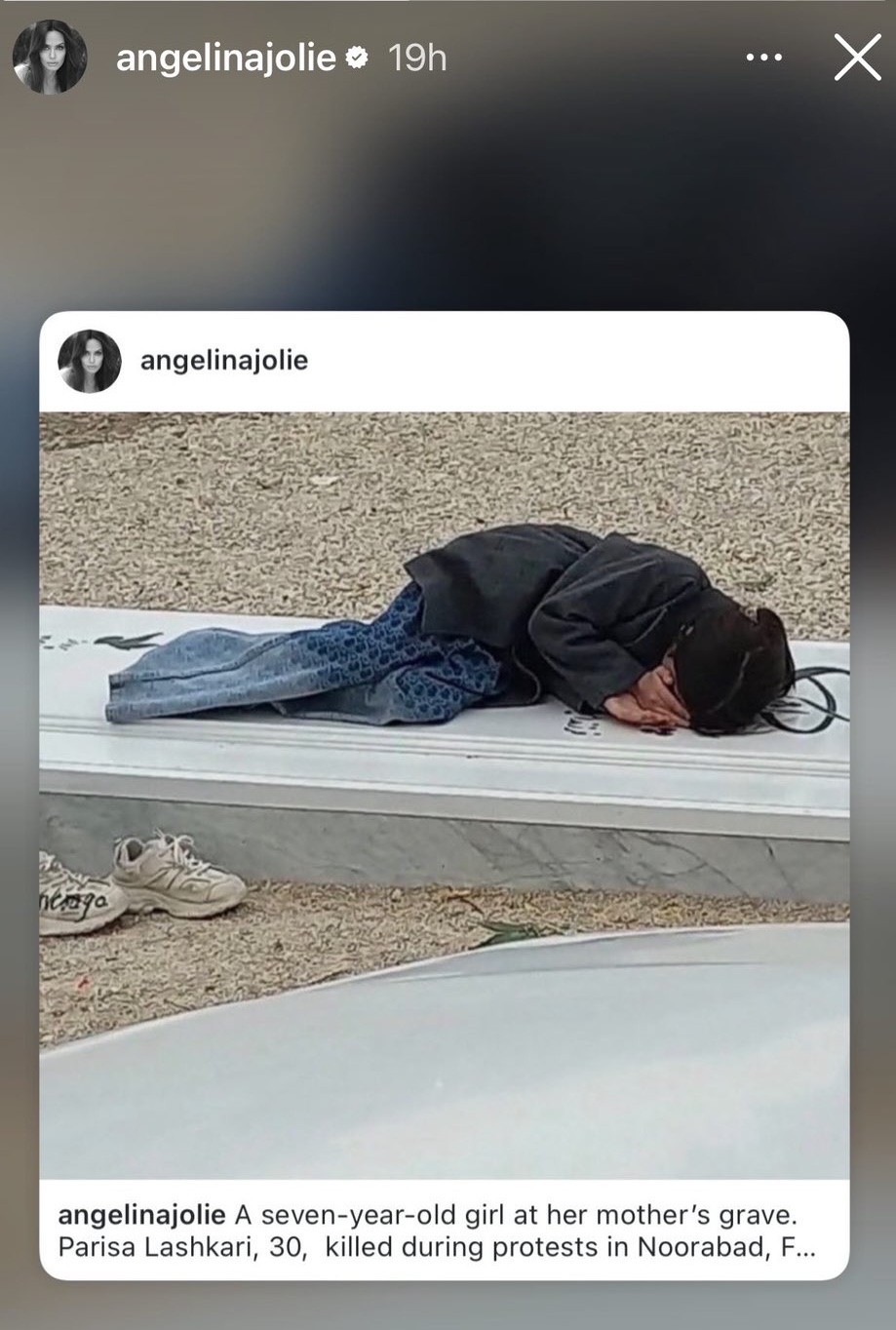
This human tragedy has resonated far beyond Iran’s borders. On January 28, 2026, international humanitarian and actress Angelina Jolie used her vast Instagram platform to spotlight one heartbreaking symbol of the massacre’s toll: a photograph of a seven-year-old girl standing at her mother’s grave. The child’s mother, Parisa Lashkari, 30, was killed during protests in Noorabad, Fars province, on January 10. In her caption, Jolie wrote: “A seven-year-old girl at her mother’s grave. Parisa Lashkari, 30, killed during protests in Noorabad, Fars province, Iran, on January 10th. No child should have to carry this kind of grief.” She called for honoring Lashkari’s memory, establishing the truth, protecting civilians, holding those responsible accountable, and securing greater freedom for all seeking it. Jolie’s post, shared amid growing global awareness of the January events, amplified Iranian voices and drew widespread gratitude from the diaspora and supporters inside Iran, who thanked her for using her influence to keep the world’s attention on their suffering.
This transformation of mourning is evident nationwide. In Abdanan, a small town in western Iran, hundreds gathered at the Chehelom of 16-year-old Alireza Seydi, chanting “Death to Khamenei” despite security crackdowns. In Najafabad, Isfahan Province, memorials unfolded amid quiet defiance, blending tears with fists raised in solidarity. Even in diaspora communities—from Berlin to Los Angeles—rallies echo these sentiments, demanding international accountability.
A Call to Remember and Resist
The New Persian Times stands in solidarity with the Iranian people on this Chehelom, remembering the fallen not as statistics, but as sons, daughters, healers, and heroes whose lives were stolen in the pursuit of dignity. In a nation where grief has been weaponized against tyranny, these memorials remind us that true mourning honors the living fight for justice. As families navigate their darkest days, their courage illuminates a path forward—one where sorrow fuels change.
To the mothers on balconies, the crowds at gravesides, the global voices like Angelina Jolie’s amplifying Iran’s cry, and all who stand in solidarity: Your pain is seen, your resilience celebrated. The fallen will not be forgotten.