
A Historic Reckoning: US-Israel Strikes Eliminate Iran's Supreme Leader and IRGC Command as the Regime's Retaliation Exposes Its Desperation
The past four days have reshaped the Middle East and offered the Iranian people their clearest path to freedom in nearly half a century. Beginning February 28, 2026, coordinated United States and Israeli strikes—Operation Epic Fury—targeted the Islamic Republic’s most critical assets: its nuclear infrastructure, ballistic missile sites, and, decisively, its top leadership.
Decapitation of the Regime: Khamenei and IRGC Leadership Eliminated
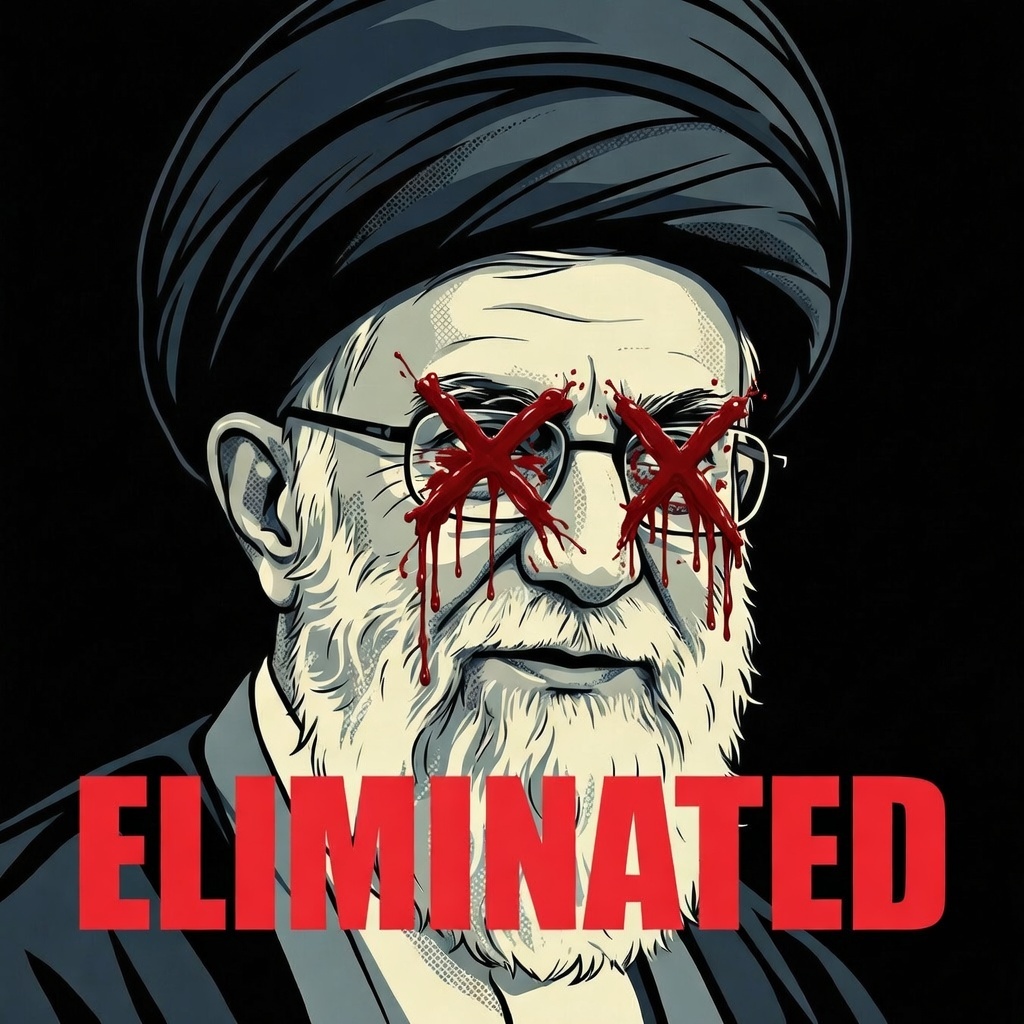
Supreme Leader Ayatollah Ali Khamenei, the architect of four decades of repression, is dead. Iranian state media confirmed his killing on March 1 after a precision strike on his Tehran compound. With him fell key figures anchoring the regime’s power: Defense Minister Amir Nasirzadeh, IRGC commander Mohammed Pakpour, and at least five additional senior IRGC and military commanders. Family members of Khamenei were also reported killed. These losses decapitate the theocratic command structure that has sustained the Islamic Revolutionary Guard Corps’ grip on power, the economy, and terror networks across the region.
President Trump’s Message: A Call to Freedom and a Warning of Sacrifice
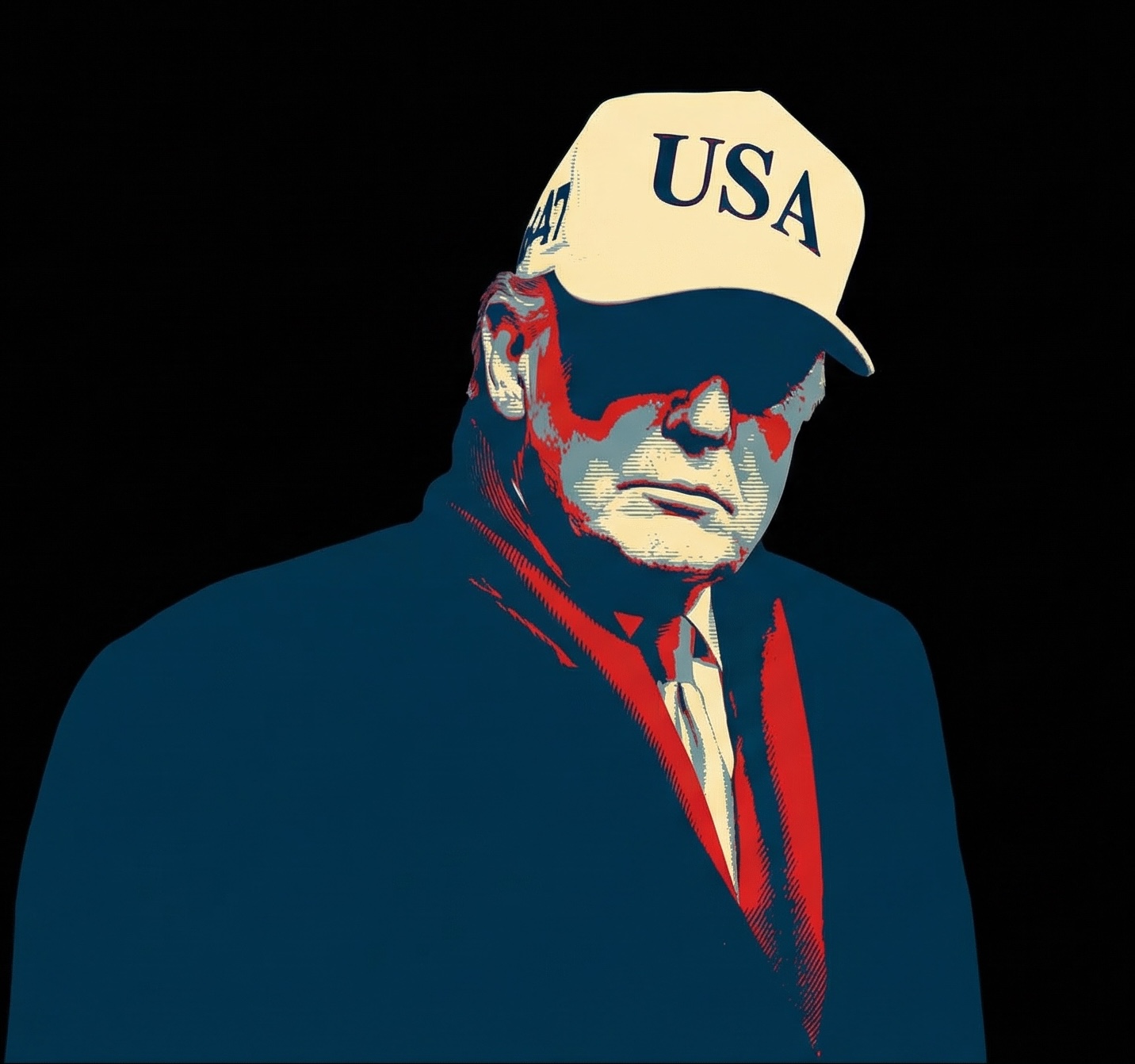
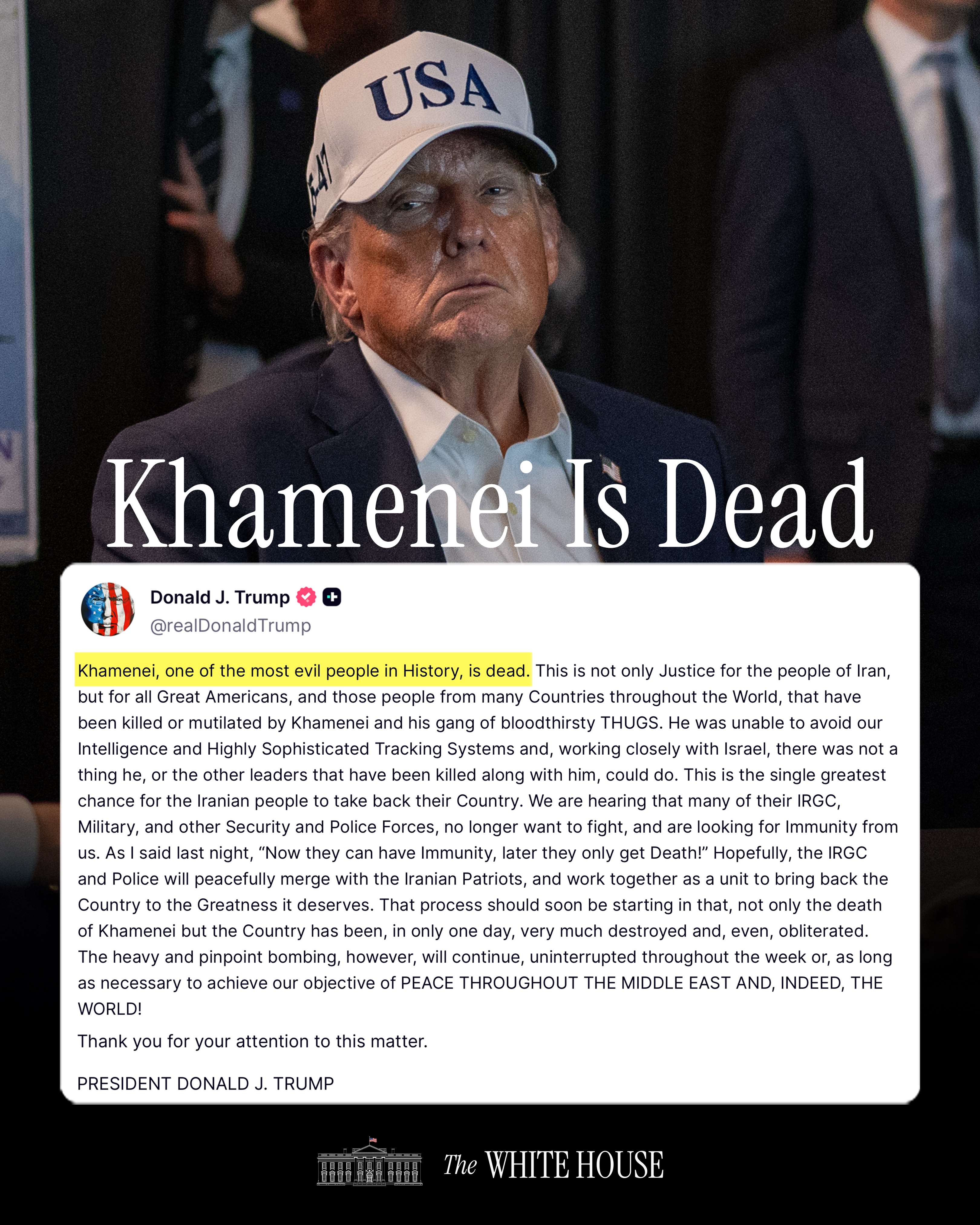
President Donald Trump addressed the nation and the world with characteristic clarity. In White House remarks and interviews, he described the operation as “our last, best chance to strike and eliminate the intolerable threats posed by this sick and sinister regime.” He outlined four explicit objectives: destroying Iran’s nuclear and advanced ballistic missile capabilities, neutralizing its naval threat, ending its funding of global terrorism, and ensuring Tehran can never threaten the American homeland or its allies.
“We will easily prevail,” the President stated, projecting a campaign lasting four to five weeks or longer if required. He directly urged Iranians to seize this moment—“the only chance for generations”—to reclaim their country. Acknowledging the human cost, President Trump noted that casualties are expected in such operations, stating, “We expect casualties… but in the end it’s going to be a great deal for the world,” and warning that “there will likely be more” before the mission concludes.
Regime’s Reckless Retaliation: Strikes on Gulf Neighbors and American Losses
The regime’s response has been as predictable as it is reckless: widespread retaliation against civilian and infrastructure targets in neighboring sovereign states. Iranian ballistic missiles and drones struck Dubai’s air hubs and luxury districts in the UAE, energy facilities in Qatar’s Ras Laffan industrial zone, Saudi Arabia’s Ras Tanura refinery complex, and sites in Kuwait and Bahrain. Airports closed, oil shipments disrupted, and civilian casualties—including migrant workers—have been reported. These attacks on non-belligerent Gulf nations confirm what the civilized world has long known: the Islamic Republic views the entire region as its battlefield when cornered.
Tragically, Iranian strikes also claimed American lives. U.S. Central Command (CENTCOM) confirmed that six U.S. service members have been killed in action since the operation began—primarily from a direct Iranian missile strike on a makeshift operations center at Shuaiba port in Kuwait, with the death toll rising as remains were recovered and one seriously wounded service member succumbed to injuries. An additional 18 troops have been seriously wounded in the broader campaign. These brave men and women made the ultimate sacrifice in defense of freedom and security against a regime that has long threatened the world. We honor their service, their courage, and their lives. Their sacrifice will not be forgotten, and it underscores the high price paid to confront tyranny. May their families find strength, and may their memory inspire continued resolve.
Diaspora Celebrations: Joy, Grief, and a Reclaimed Persian Identity
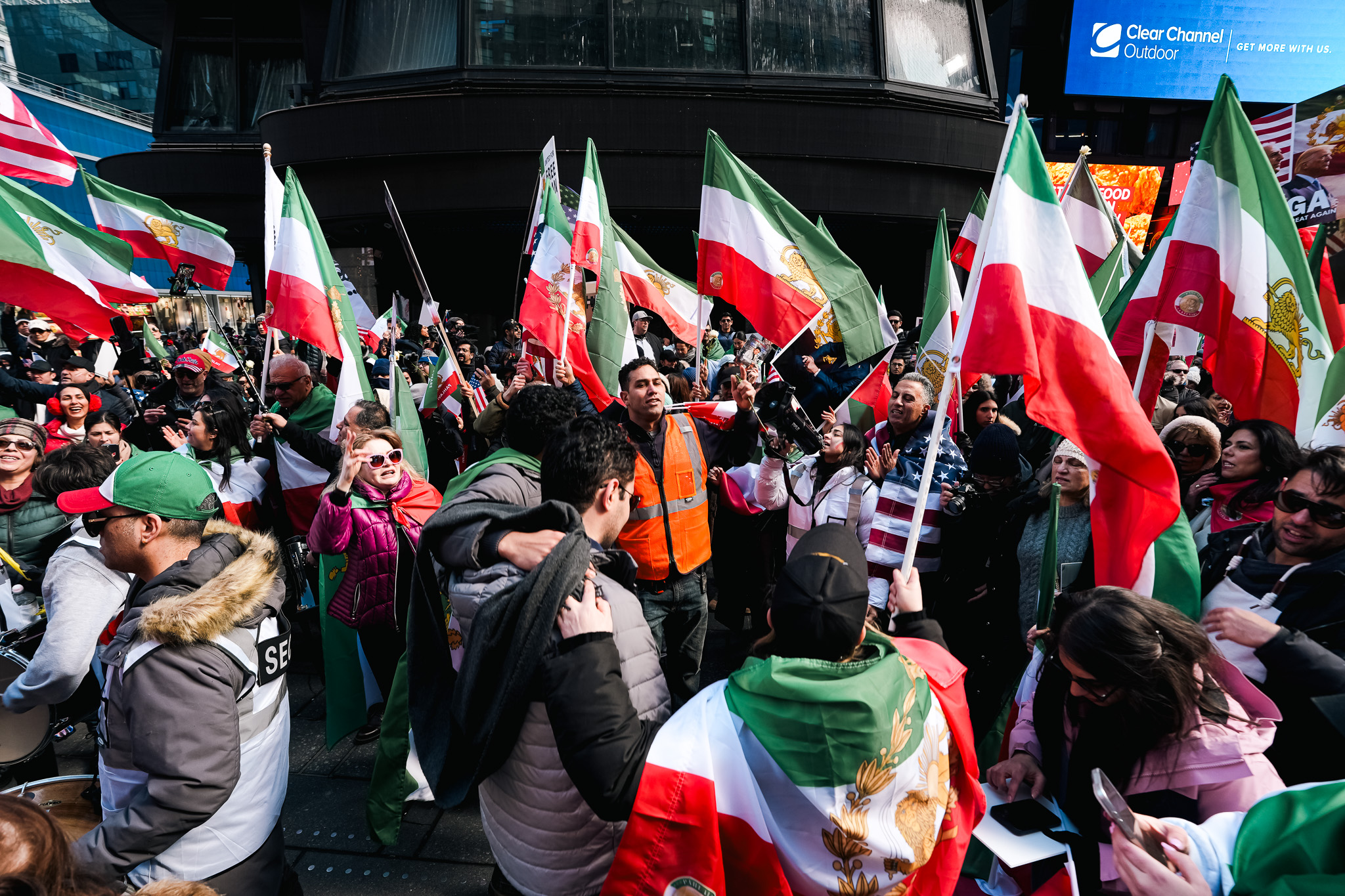
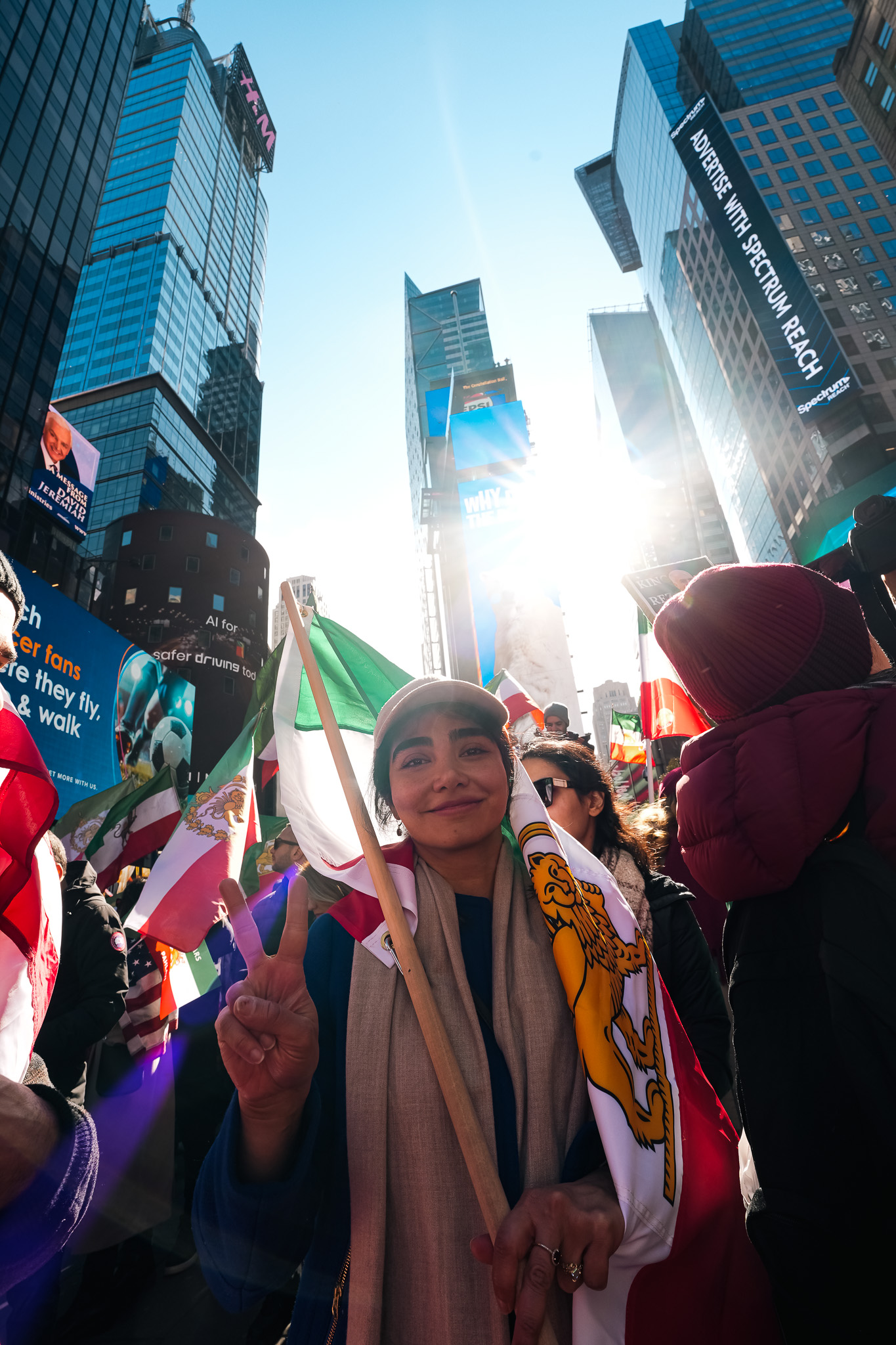
Yet amid the smoke and sirens, a powerful and unifying image has emerged from the Iranian diaspora. In London, Los Angeles, and cities across Europe and North America, expatriates poured into the streets waving the pre-1979 Lion and Sun flag. Spontaneous celebrations featured honking caravans, dancing, and tears of relief. Iranian filmmakers and activists spoke for millions when they declared, “Everybody is extremely happy the dictator is dead.”
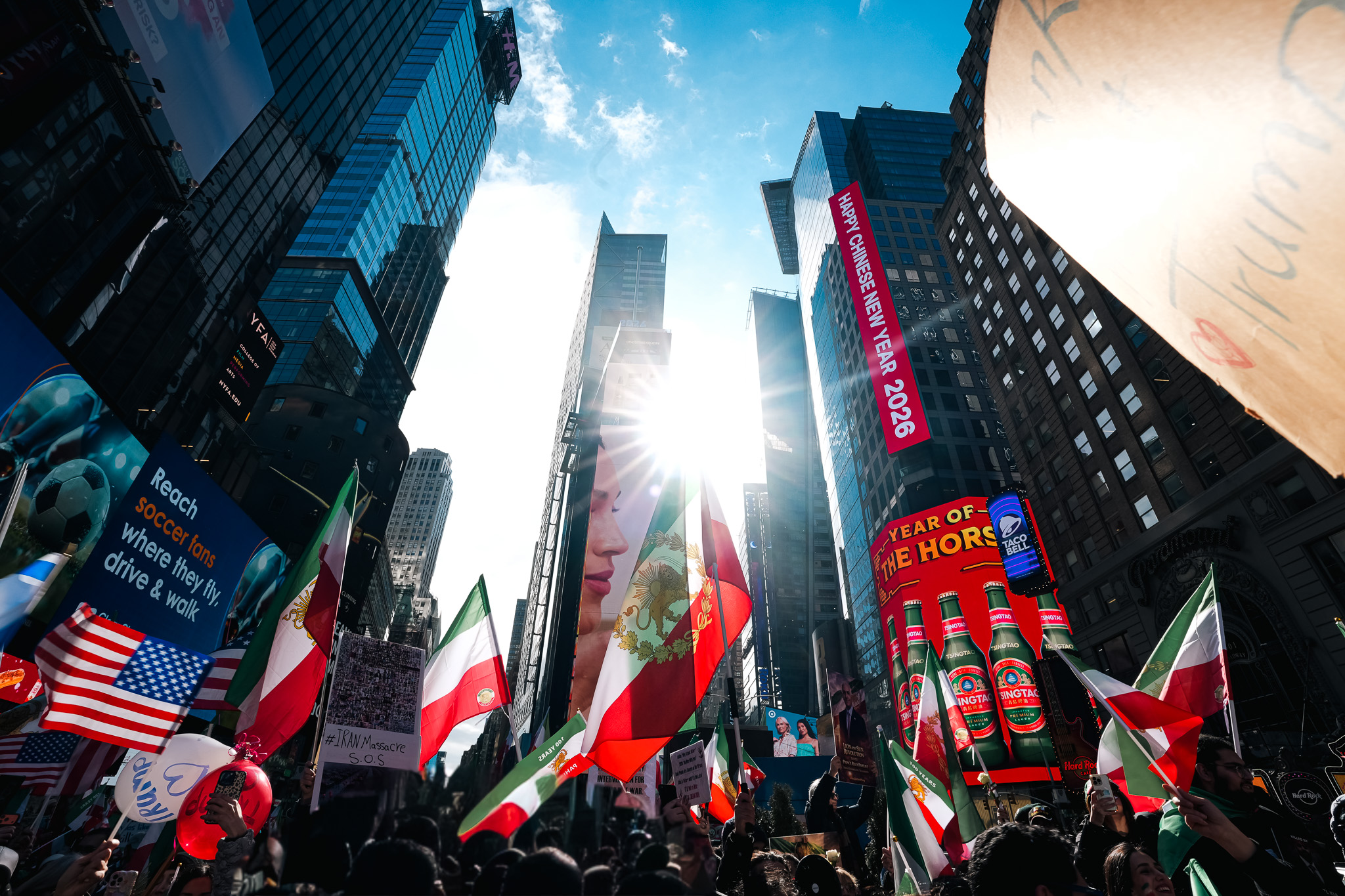
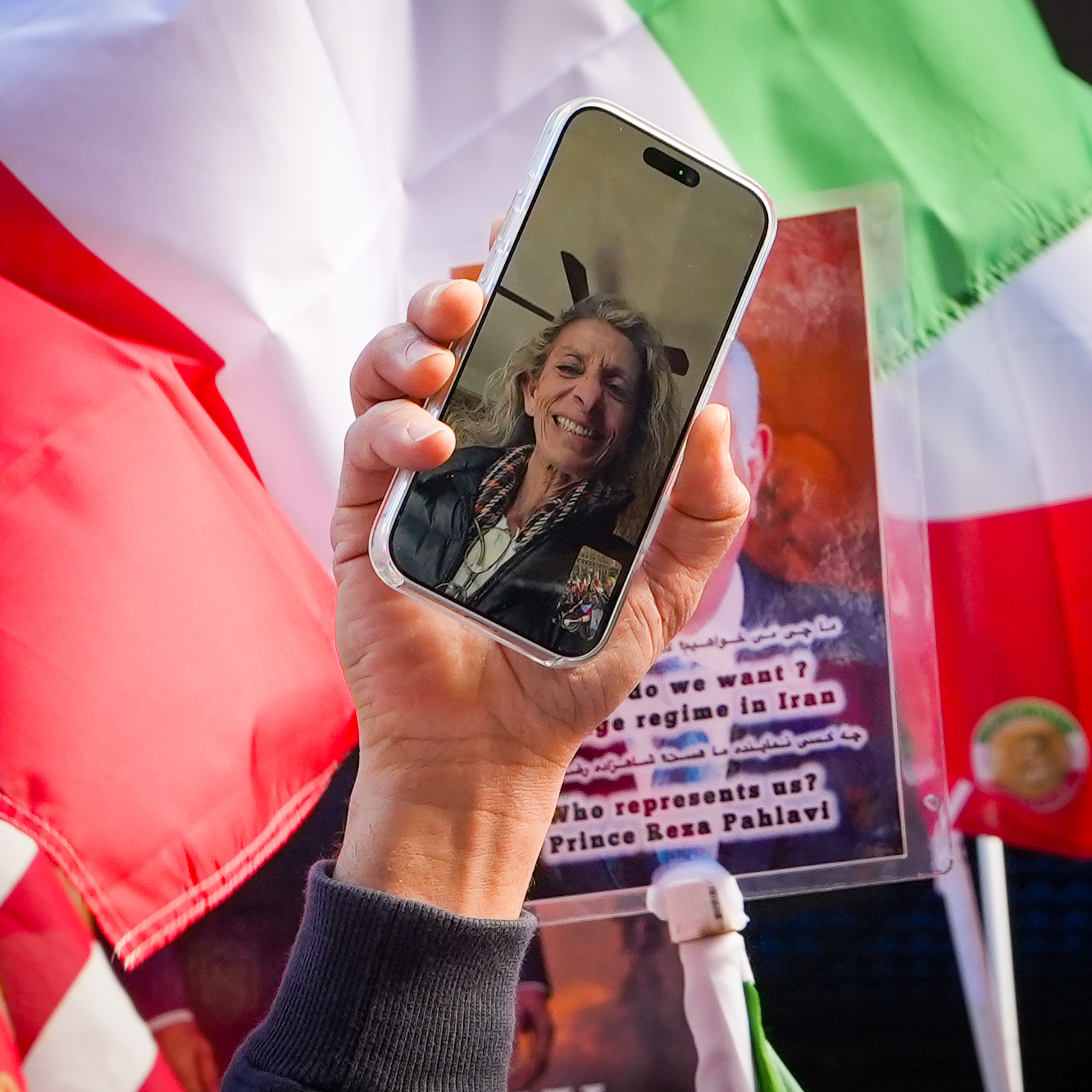
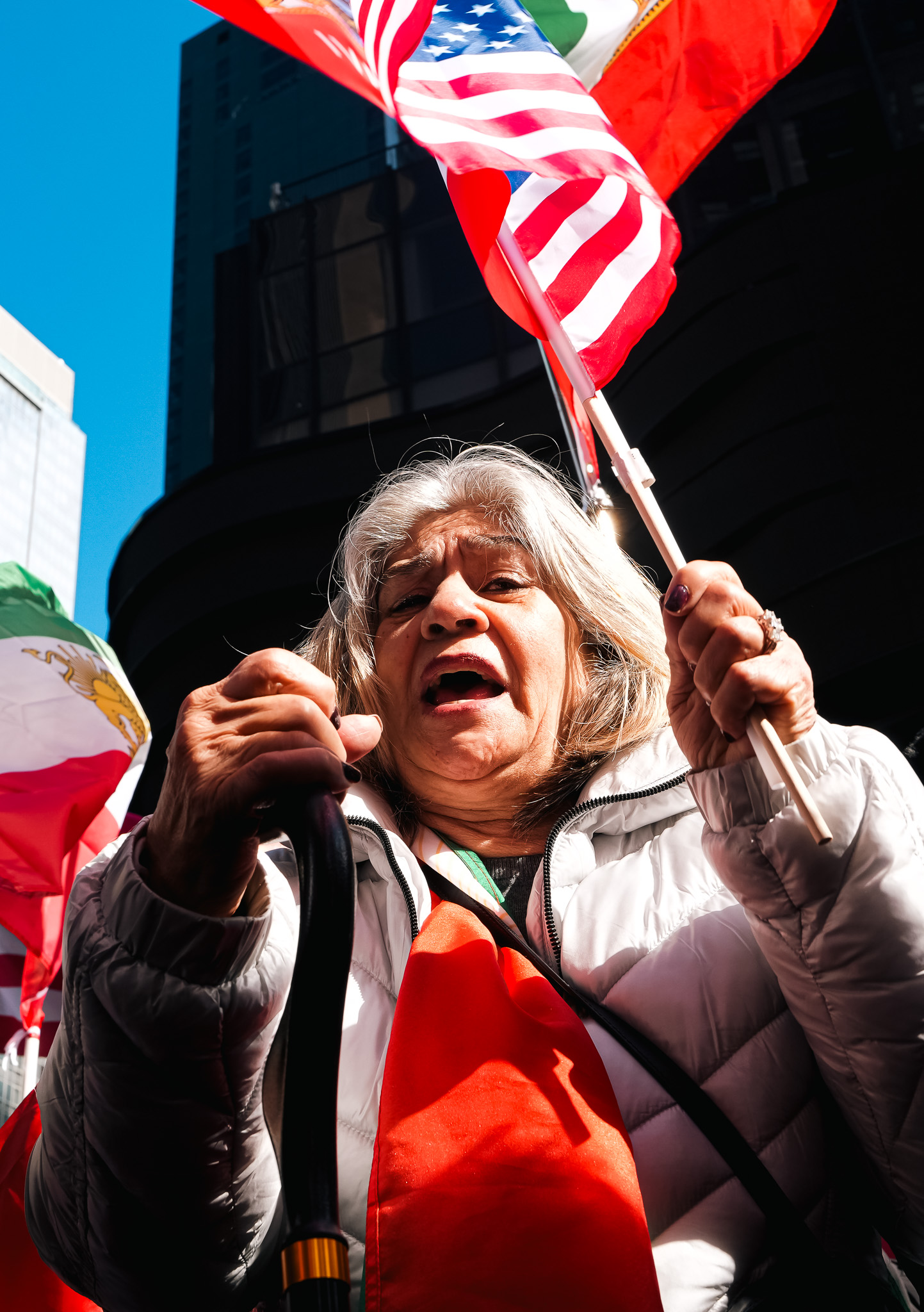
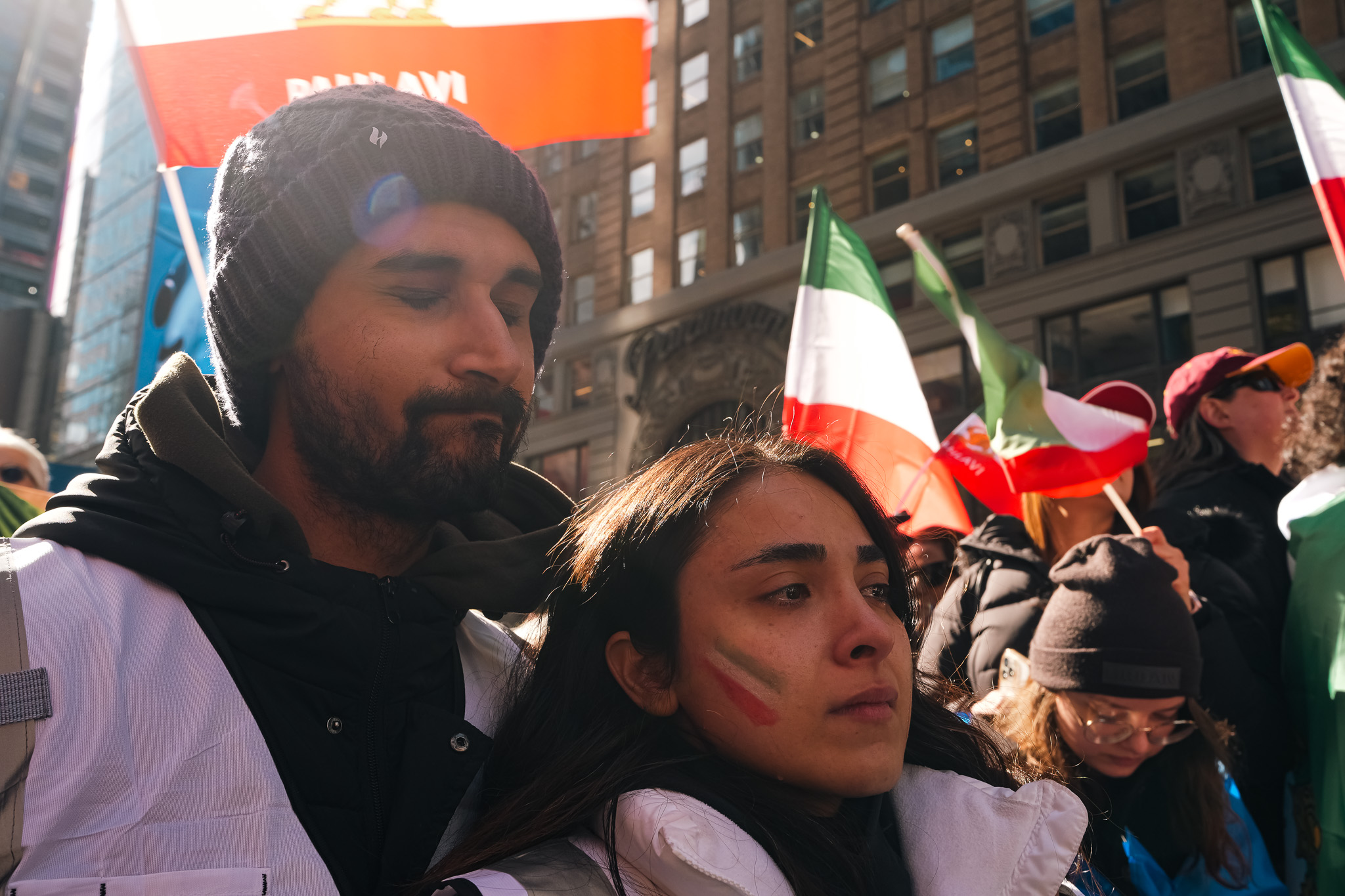
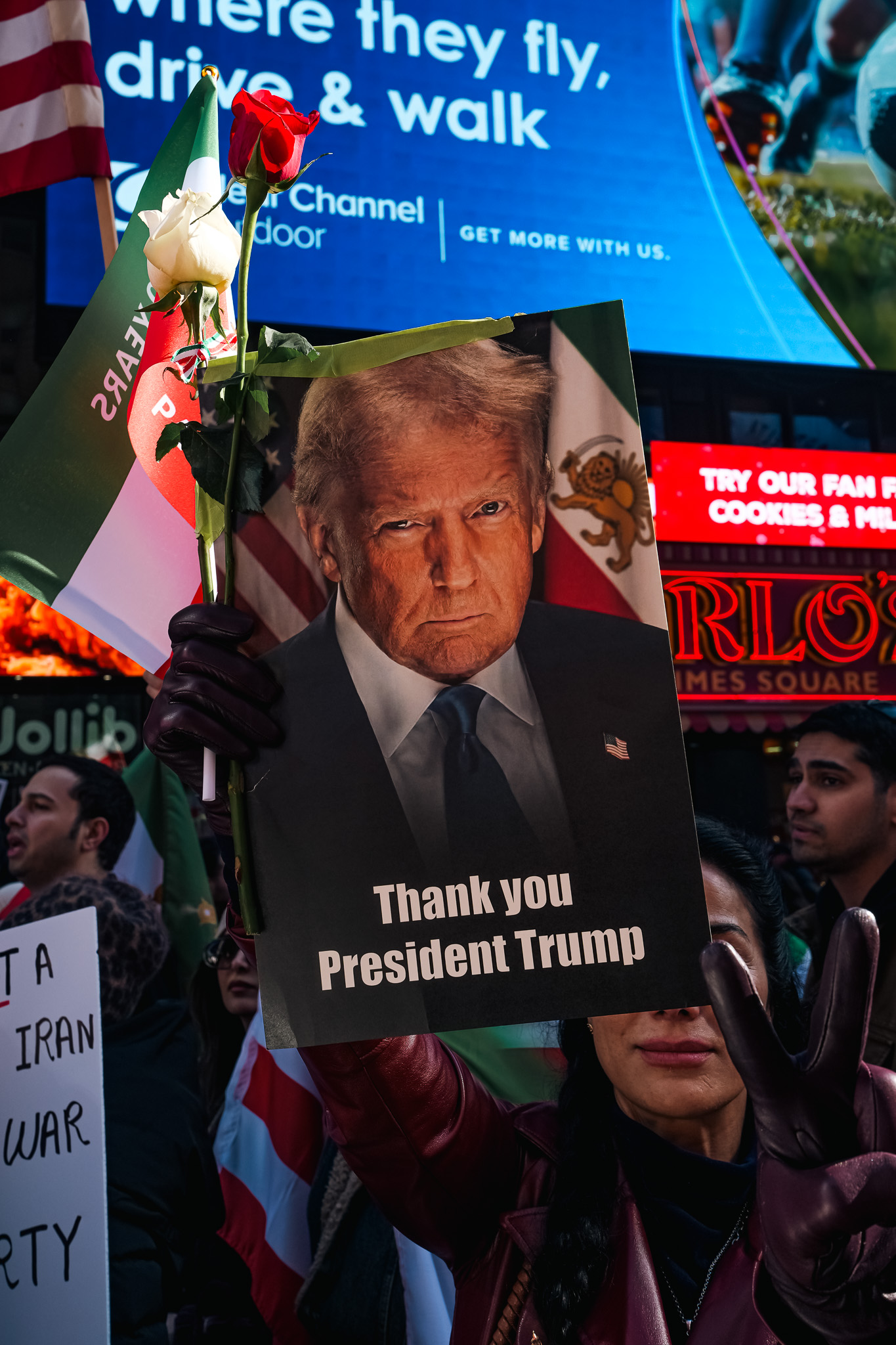
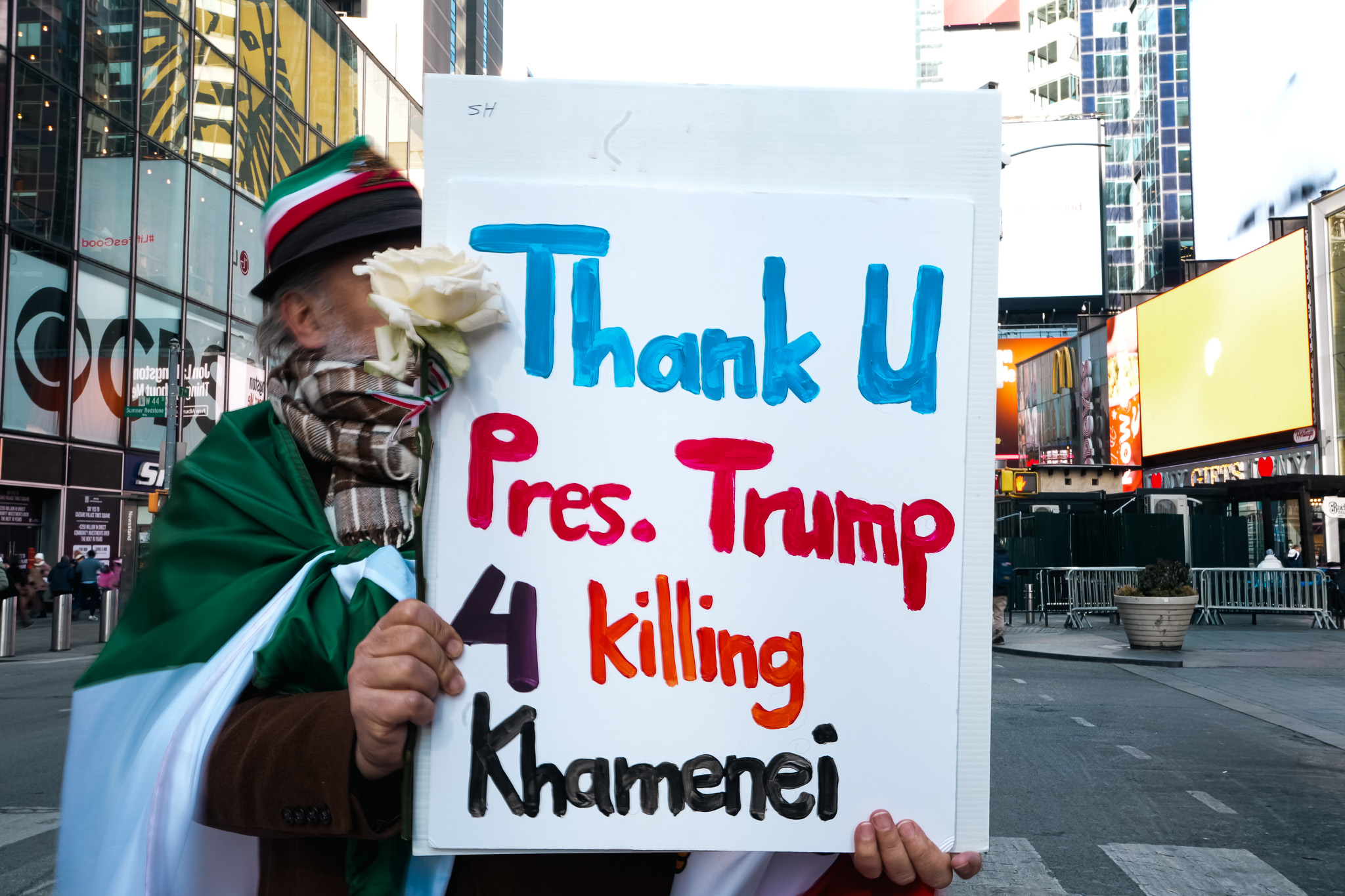
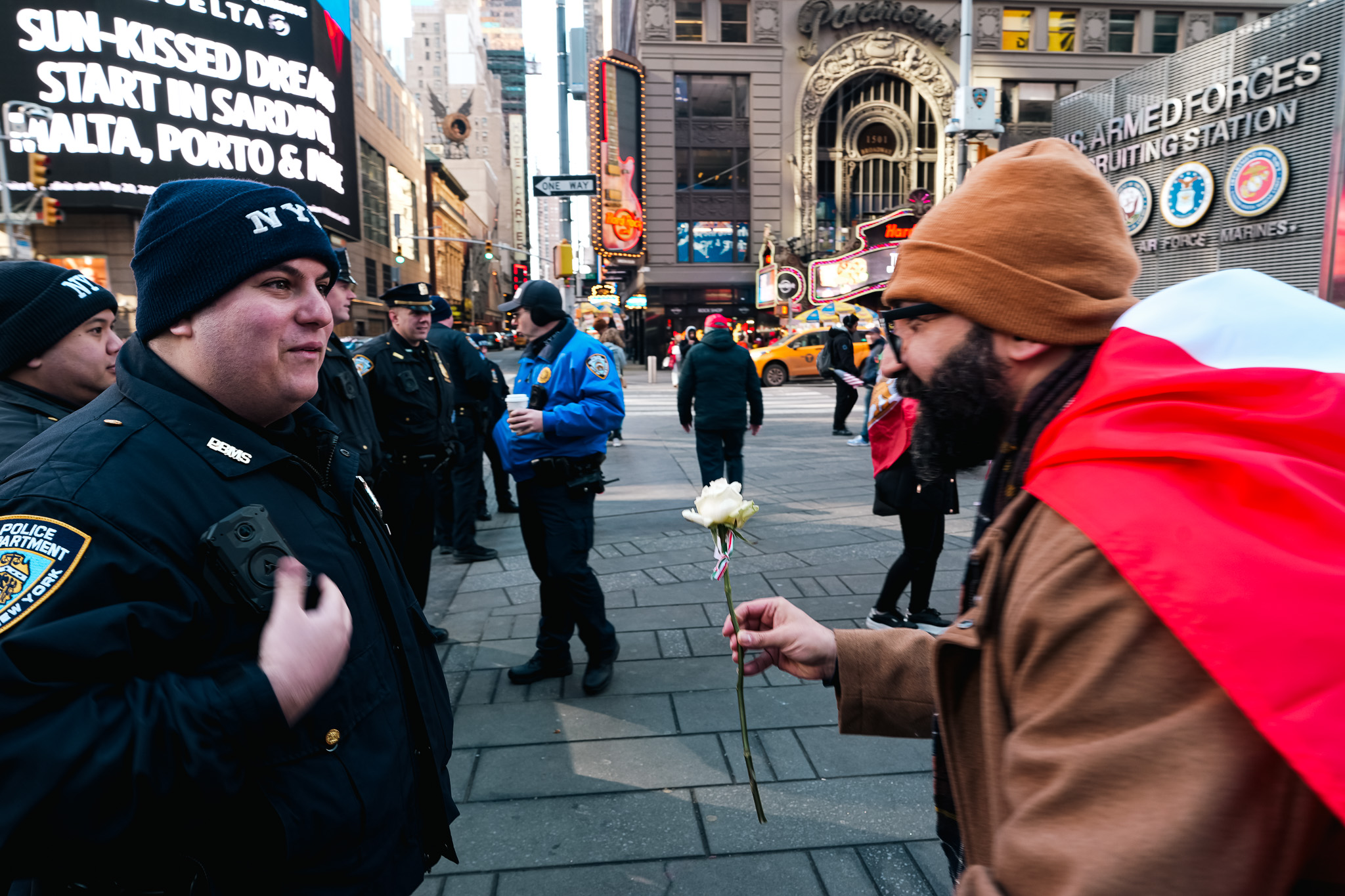
In New York City, a large protest march took place from the United Nations to Times Square on March 1, 2026, drawing hundreds of Iranian-Americans who celebrated the fall of Khamenei and expressed hope for a free Iran. The New Persian Times attended and captured media of the event, documenting chants of “USA! USA!”, “TRUMP, THANK YOU!”, and calls for regime change, with participants waving Lion and Sun flags and signs reading “Make Iran Great Again.”
Participants expressed a myriad of emotions: profound sadness for the victims of the recent two-month massacre in Iran and the 47 years of terror under the Islamic Republic, marked by a solemn moment of silence led by organizers; followed by bursts of happiness, music, and dancing as a way to cope with the grief and reclaim joy. Strikingly, in the celebratory protests from New York City to abroad, there were no demonstrations of Islamic customs at all—no gatherings at mosques, no headscarves on women, and no visible religious symbols of the Islamic Republic. This marks a major shift in the identity of the Iranian people, both inside and outside Iran, toward a reclaiming of pre-revolutionary Persian secular and cultural heritage over the imposed theocratic framework of the past 47 years.
In Persian culture, music and dancing hold vital importance as profound expressions of identity, emotion, community, and resilience. Rooted in ancient traditions—from Sufi sama rituals that use rhythmic movement and melody to achieve spiritual ecstasy and unity, to folk and celebratory dances passed down through generations at weddings, Nowruz, and family gatherings—music and dance serve as lifelines connecting people to their heritage, fostering joy amid sorrow, and symbolizing endurance against repression. Even under decades of bans by the Islamic Republic, which deemed them frivolous or corrupting, these art forms have persisted underground and in the diaspora as acts of cultural preservation and resistance, embodying the unbreakable spirit of the Persian people.
The Minab School Tragedy: Facts vs. Disinformation
One tragic episode requires clear-eyed clarification. On February 28, the Shajareh Tayyebeh girls’ elementary school in Minab, southern Iran (Hormozgan province), was struck, with Iranian officials reporting between 100 and over 175 fatalities—primarily young female students aged 7–12—and dozens injured. Iranian state media, including Mizan and Mehr News Agency, along with international outlets, confirmed the destruction of at least half the two-story building, with rescue workers pulling school bags and backpacks from the rubble amid scenes of devastation. UNESCO condemned the incident as a “grave violation of humanitarian law,” noting schools’ protected status under international rules. Verified videos and images from The New York Times, Al Jazeera, CNN, and others showed collapsed concrete, wailing families, and ongoing searches ending by March 1.
Crucially, multiple sources—including Wikipedia’s entry on the 2026 Minab school airstrike (citing primary reports), Hengaw Organization, and The Telegraph—place the school approximately 600 meters from an active Islamic Revolutionary Guard Corps (IRGC) base or complex, which was reportedly the intended target. This proximity underscores the regime’s longstanding practice of embedding military assets near or among civilians, a tactic long documented by independent monitors and now tragically illustrated here.
Based on verified reports from the 2026 Minab school airstrike, the Islamic Revolutionary Guard Corps (IRGC) bears responsibility for endangering civilians by deliberately placing military facilities in close proximity to the Shajareh Tayyebeh girls’ elementary school. This practice, often described as using “human shields,” has been a documented tactic of the IRGC for years, as noted in analyses of the incident.
Looking Forward: Persia Rising Again
The elimination of Khamenei and the IRGC’s senior command is not the conclusion of this story but its turning point. A regime that once projected omnipotence now scrambles for succession and survival. Its desperate missile barrages against Arab neighbors reveal weakness, not strength.
The Iranian people—inside the country and across the diaspora—have shown their true face in these hours: resilient, hopeful, and ready. The world watches. History turns. Persia will rise again—free, proud, and at peace with its neighbors and itself.
Sources (all accessed and cross-verified March 2, 2026):
- CNN, The Hill, Military Times, CNBC, NPR, The New York Times, CBS News, and CENTCOM statements on U.S. casualties
- UN News/UNESCO statement on Minab school
- Wikipedia: 2026 Minab school airstrike
- The New York Times, CNN, Al Jazeera, The Guardian, ABC News, France 24 reports on Minab incident
- Hengaw.net and The Telegraph on IRGC base proximity
- CBS News New York, New York Post, ABC7NY coverage of NYC march from UN to Times Square
- Reuters, AP, New York Post, ABC7NY, and video footage of diaspora celebrations
- President Trump’s remarks via NBC News, CBS News, and White House statements
- Surfiran.com, Amir School of Music, Wikipedia (Iranian dance), Dance Magazine, and related cultural sources on Persian music and dance
This editorial reflects the independent analysis of The New Persian Times.