
Culture vs. Propaganda: The 2026 Persian Parade in NYC and Tehran’s Bold Displays
New York City’s annual Persian Day Parade, organized by The Persian Parade Organization (also referred to as the Persian Parade Foundation) for over twenty years, marched down Madison Avenue in Manhattan on Sunday, April 19, 2026. Long positioned as a nonreligious and non-political celebration of Iranian culture, music, heritage, and identity, the event has consistently aimed to provide a neutral space for families and community members to gather without the intrusion of partisan politics.
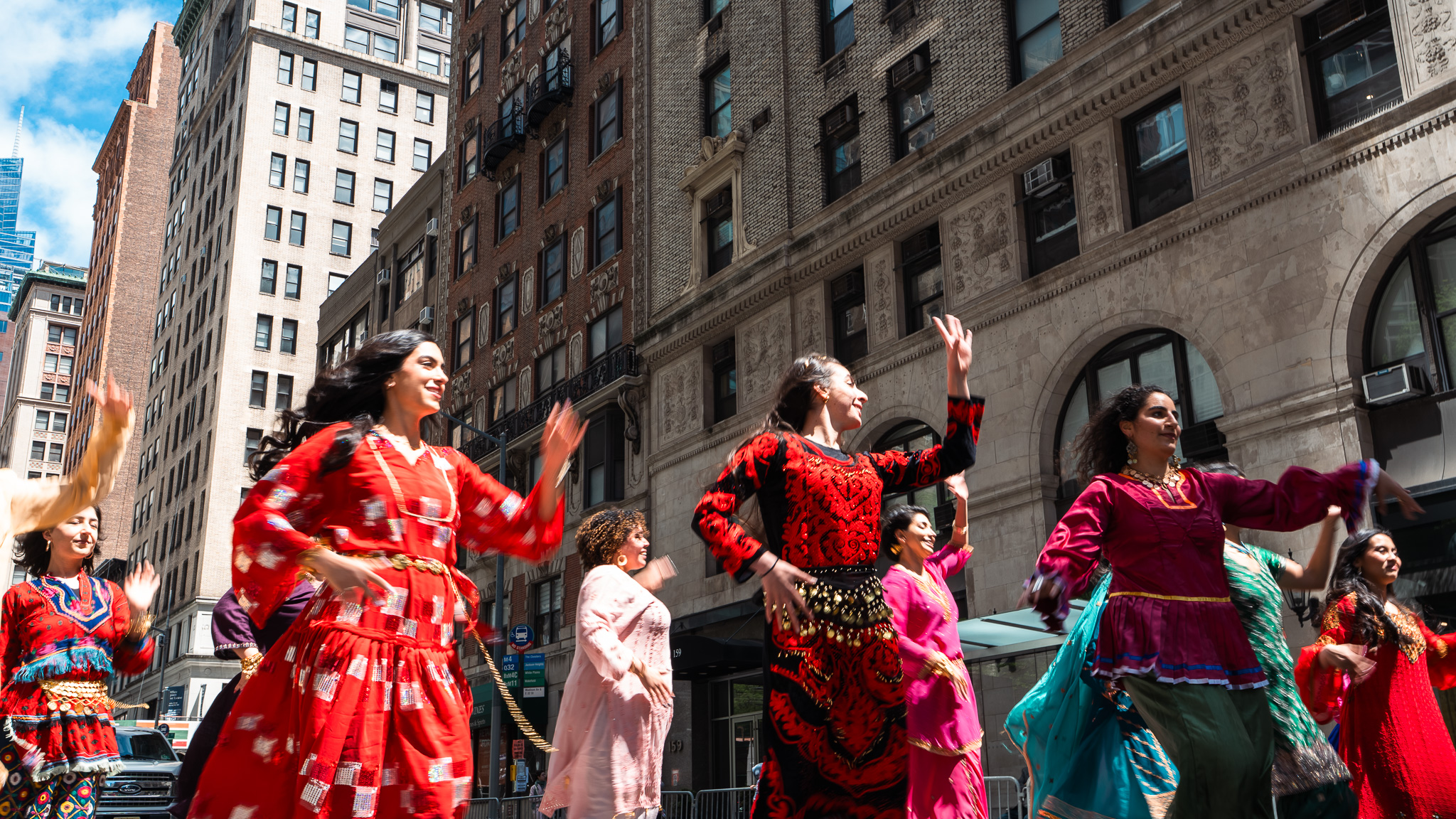
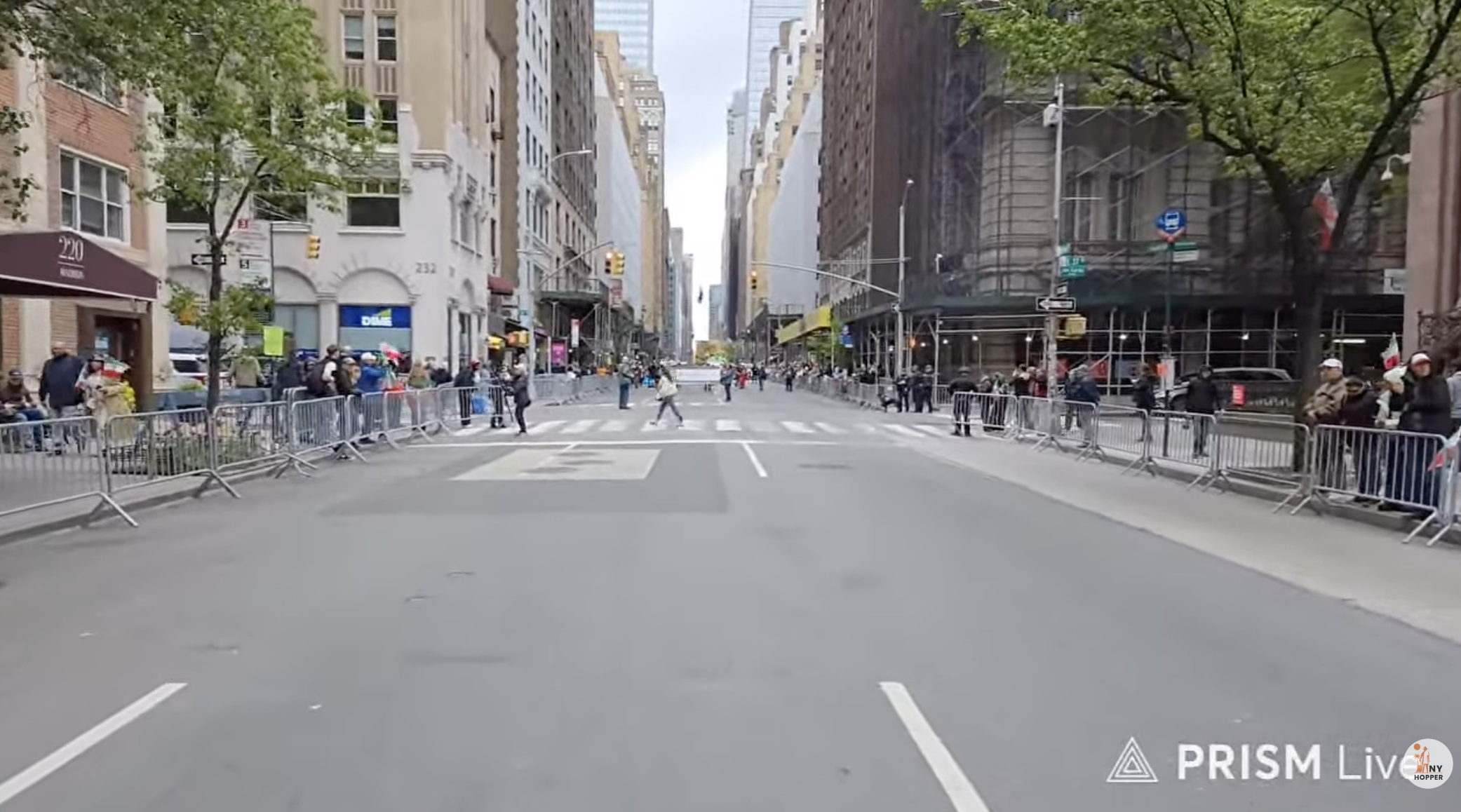
This year’s parade faced challenges from the outset. Unseasonably cold weather and scattered rain contributed to a noticeably lower turnout and lighter spectator crowds compared to the vibrant energy of 2025. Despite the thinner attendance, the parade proceeded with its traditional route, featuring music, folk dancers in colorful costumes, and the familiar atmosphere of cultural pride.
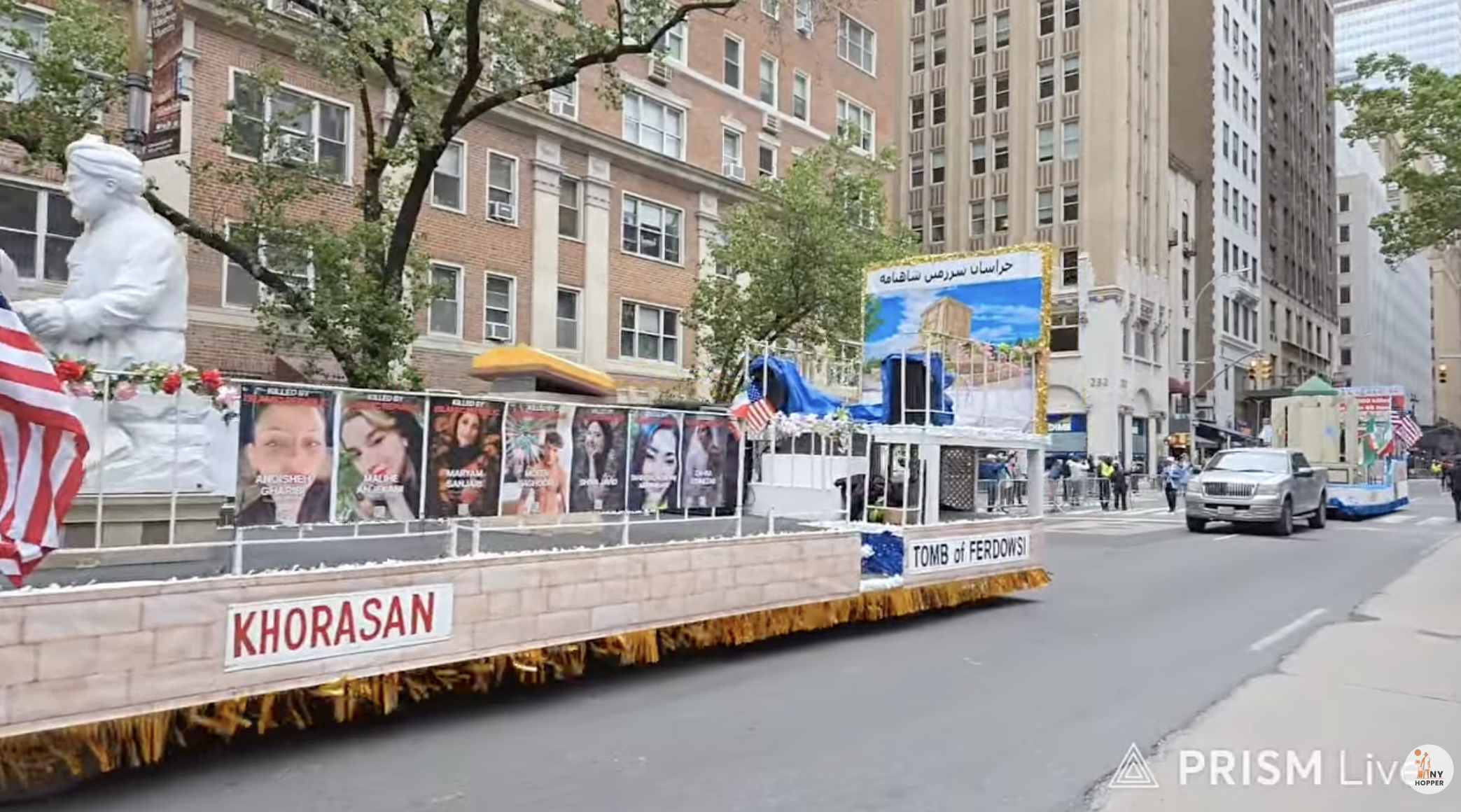
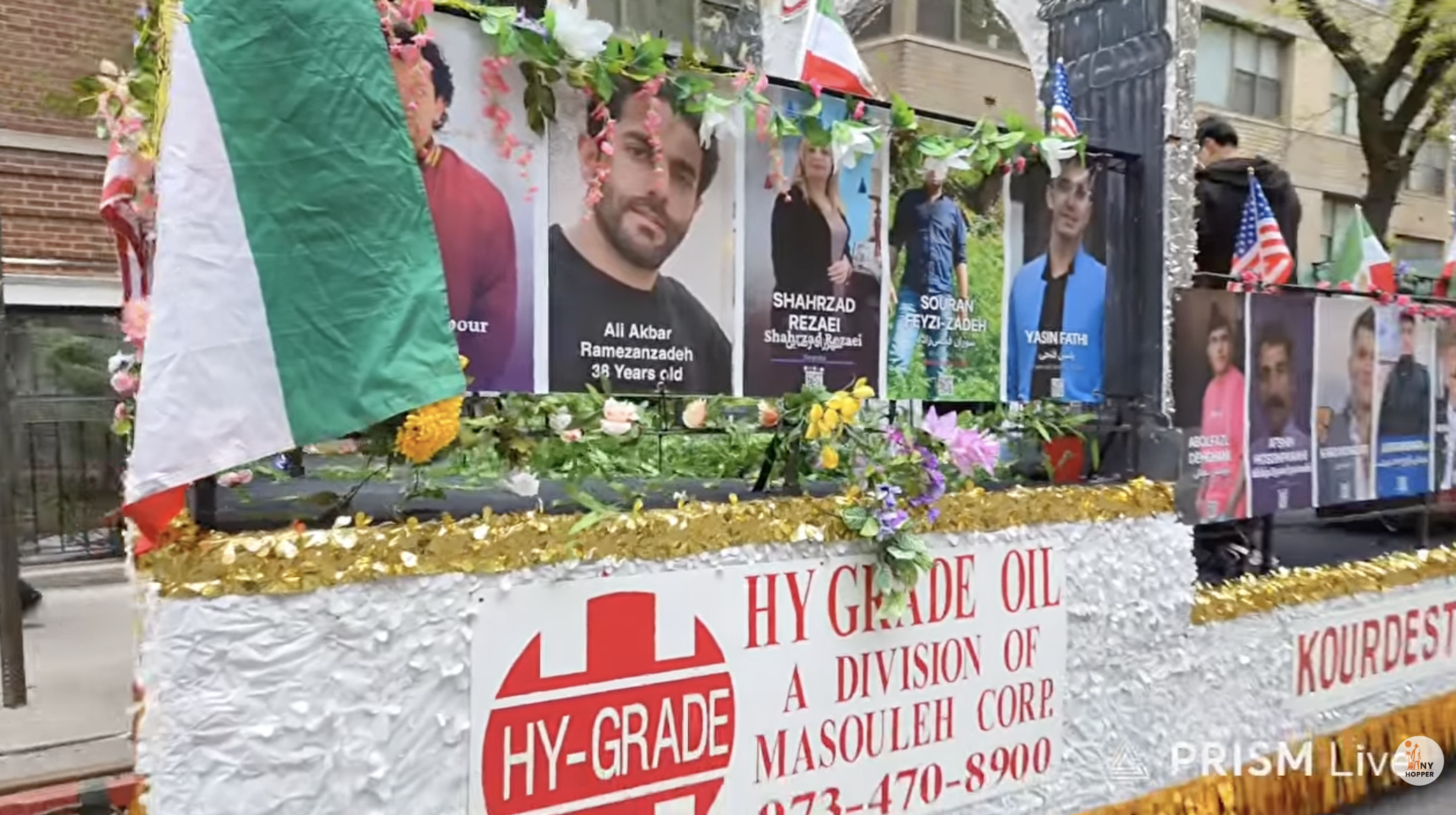
In a significant and emotional development reflecting the community’s grief, several parade floats were adorned with photos of the fallen Iranians massacred in January. Organizers dedicated the entire 2026 parade to honoring the brave men and women of Iran who have lost their lives, been imprisoned, or suffered amid the ongoing conflict. The Persian Parade Foundation’s official messaging reinforced this balance continuing proud cultural traditions while remembering victims of the conflict and extending sympathies to their families.
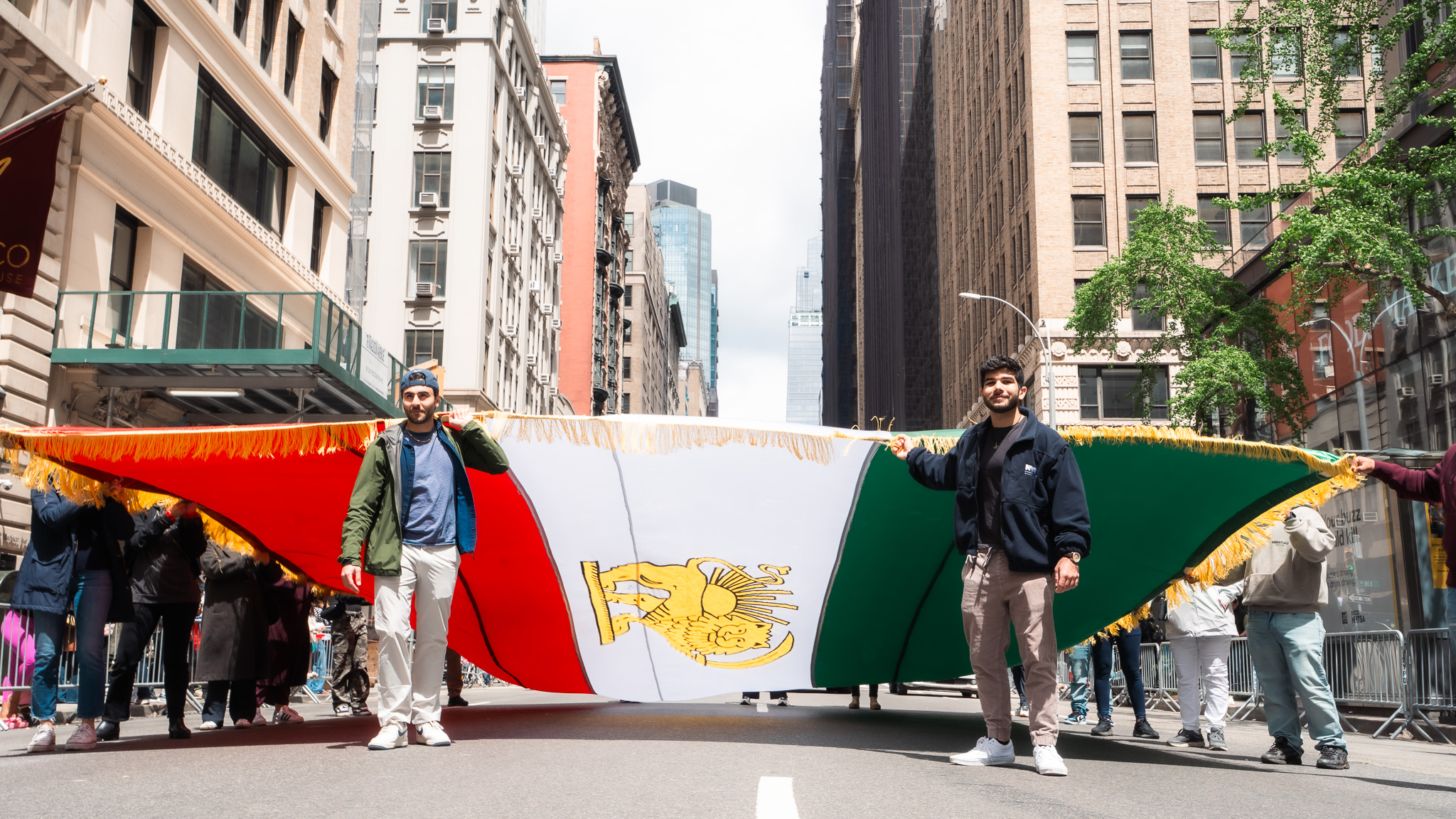
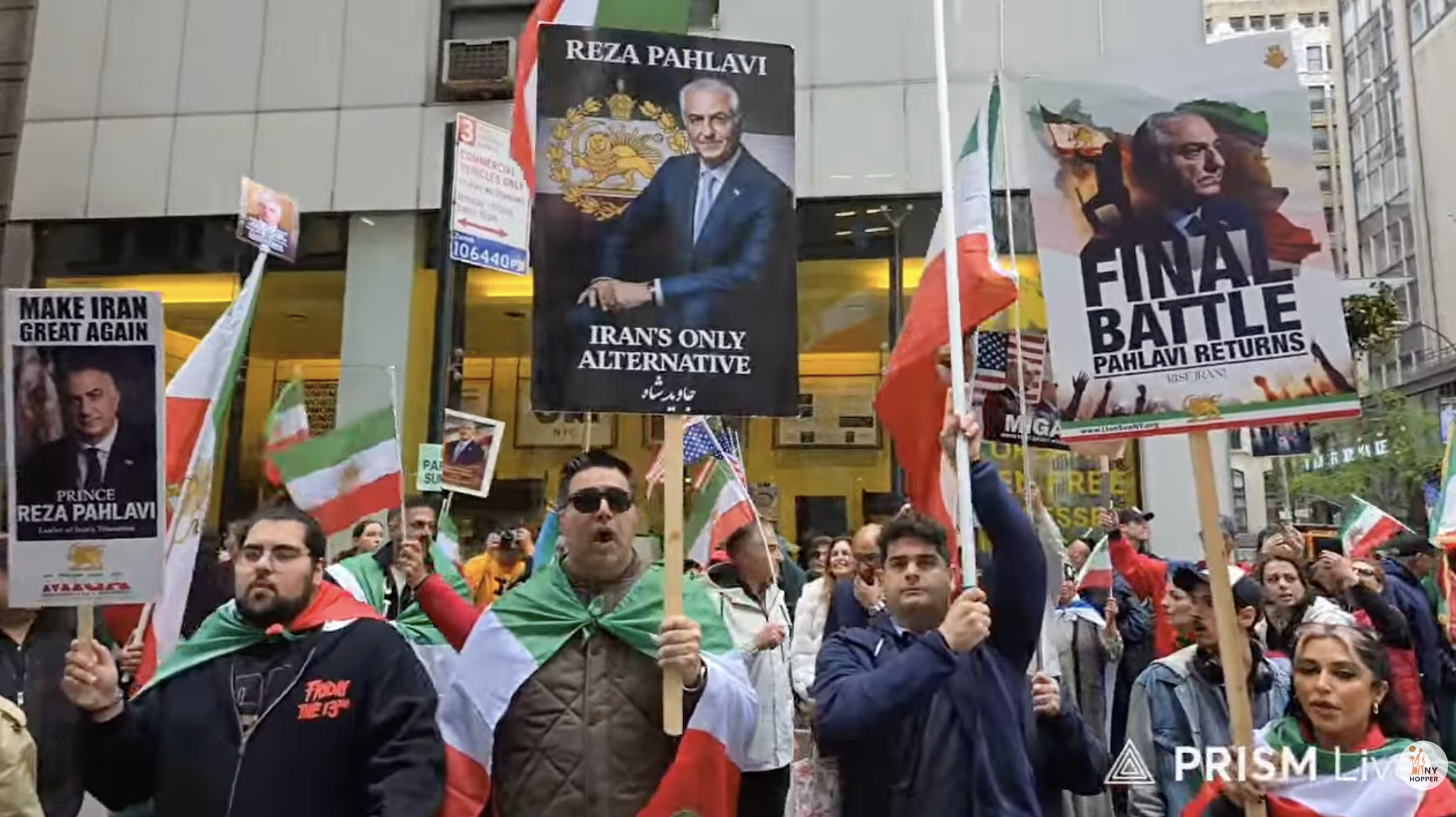
Tensions, however, remained visible and sparked controversy. Members of The Lion and Sun organization and other supporters of HRH Crown Prince Reza Pahlavi arrived carrying signs and imagery in support of the exiled prince as a potential alternative leader for Iran. True to their long-standing policy of neutrality, organizers politely requested that overt political signs not be prominently displayed. Clips of these interactions, along with broader scenes from the parade, circulated quickly on social media and YouTube. In one widely viewed live stream and related footage, participants could be heard expressing support for Reza Pahlavi while others commented and labeled the organizers as “Bisharaf” (shameless), accusing organizers of suppressing voices calling for change. The clips fueled online debate.
A notable absence this year was New York City Mayor Zohran Mamdani, who was nowhere to be seen at the parade. In contrast, NYC mayors have attended every year previously—including 2025, when then-Mayor Eric Adams appeared and publicly showed his support for the Persian community, a moment captured in The New Persian Times recap video of the 2025 Persian Parade. That video has already garnered over 6,000 views on Instagram, vividly preserving the energy, colors, and joyful spirit of last year’s much larger gathering.
Meanwhile in Tehran: IRGC Stages Defiant Military Parade Amid Ceasefire Tensions
While the diaspora in New York sought to honor victims and preserve cultural unity, the Islamic Revolutionary Guard Corps (IRGC) held a high-profile nighttime military parade in Tehran’s Revolution Square on April 21, 2026. Videos and images widely shared on social media and news outlets showed large crowds of regime supporters cheering as IRGC forces displayed advanced ballistic missiles, including the Khorramshahr-4, Ghadr, and Kheibar long-range systems. One missile was reportedly labeled targeting Qatar’s RasGas facility, with chants of “Death to Israel,” “Strike the final blow, and hit the heart of Tel Aviv,” and declarations of military readiness echoing through the square. The event served as a clear show of force just as the US-Iran ceasefire deadline approached, with IRGC commanders warning Gulf nations against supporting American actions and emphasizing that Iranian forces remain “hands on the trigger.”Footage from the parade—circulating on X and Instagram—captured missiles on mobile launchers rolling through the streets, supporters climbing aboard equipment, and a defiant atmosphere that underscored the regime’s narrative of strength despite the ongoing Iran War and recent regional conflicts. This spectacle stands in sharp contrast to the reflective and divided tone of the NYC Persian Parade, highlighting the profound split in how Iranians at home and abroad process the same crises: grief for the January massacre, calls for freedom, and the future of Iran itself.
In Another Tehran Display: IRGC’s “Pink-Washing” Parade Weaponizes Cuteness to Target Iran’s Youth
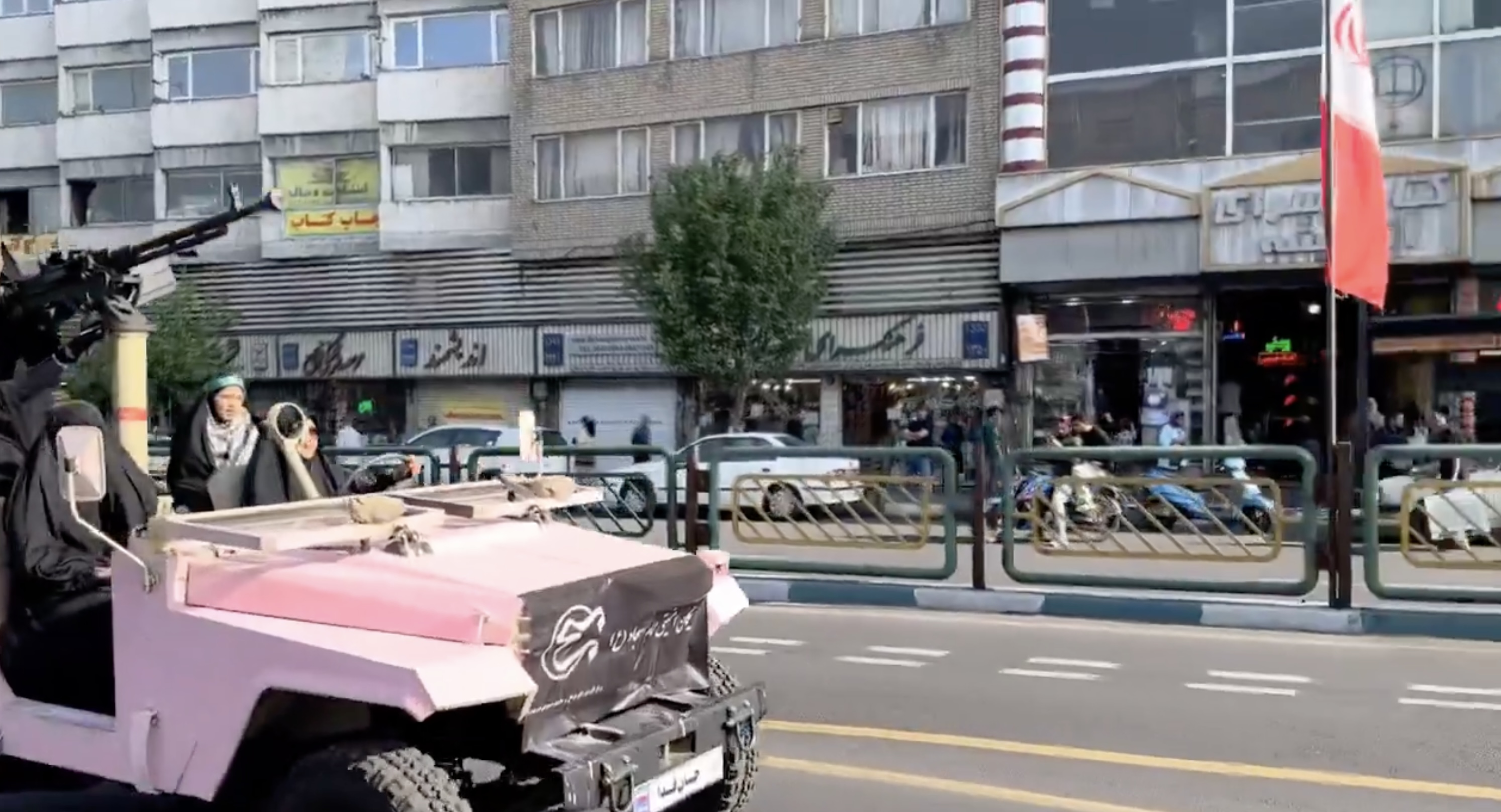
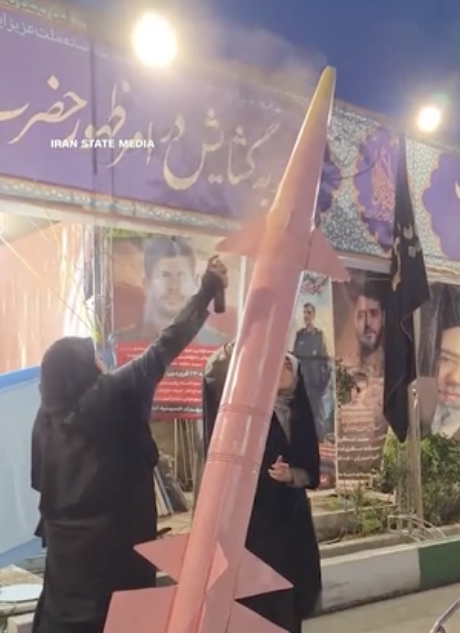
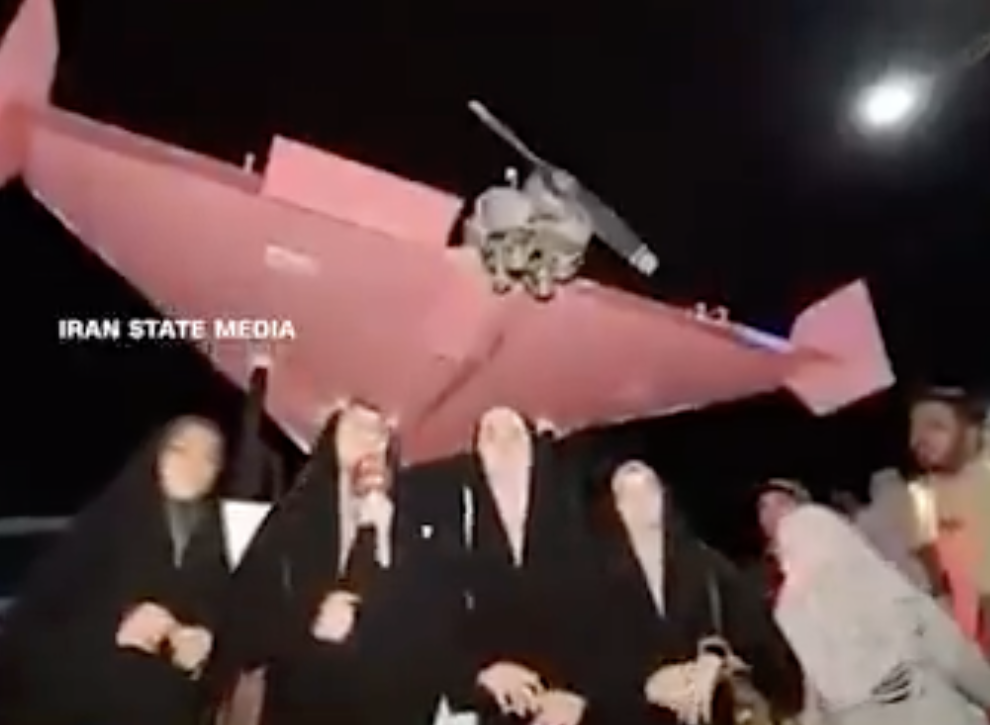
Just days before the nighttime missile parade—and timed to coincide with Iranian Girls’ Day—the IRGC’s female Basij paramilitary wing staged a separate, highly choreographed public display in central Tehran. Thousands of young Iranian women and girls, many in their teens and early twenties, marched, rode pink-painted military jeeps mounted with machine guns, and posed with hot-pink Kalashnikov rifles and Shahed-136 kamikaze drones. State media and viral videos on Instagram and X showed the “Barbiecore” spectacle: brightly colored weapons and vehicles paraded by smiling participants in hijabs, framed as a celebration of “empowered daughters” ready to defend the Islamic Republic.
The pink-washing campaign traces back to a viral video of a young girl—face painted with the Iranian flag—asking IRGC Aerospace Force commander Seyed Majid Mousavi to “plow Tel Aviv with a pink missile.” Within days, the IRGC painted and launched an actual ballistic missile in response, inscribing it “In response to the request of the revolutionary girl.” The tactic quickly expanded into a full propaganda drive, with pink drones, missiles, and firearms becoming the centerpiece of Girls’ Day events.
Psychologically, this is a calculated and sophisticated form of soft-power propaganda designed to reshape how Iran’s younger generation perceives militarism. Color psychology plays a central role: pink is universally linked to innocence, femininity, playfulness, nurturing, and approachability—qualities that directly counteract the grim, aggressive imagery of war, death, and authoritarian control. By repainting instruments of destruction in pastel hues, the regime humanizes lethal technology, making it feel less threatening and more “relatable” or even fun. This mirrors global marketing trends (think “Barbiecore” aesthetics on social media) and taps into Gen Z’s preference for visually shareable, ironic, or empowering content.
Footage of women spray-painting missiles pink, riding pink vehicles, and proudly displaying pink Shahed-136 drones has flooded X and Instagram, with regime outlets hailing it as “national unity.” Critics, however, view it as cynical exploitation—using cuteness as camouflage while young Iranians continue to face imprisonment, conscription pressures, and the real human cost of conflict.
These back-to-back Tehran displays—one aggressively militaristic, the other pastel-wrapped and youth-oriented—underscore the regime’s dual messaging strategy at a time of high tension.
The Persian Parade Organization has reaffirmed its founding principles: celebrating Persian culture without taking sides in political disputes. Traditional symbols, including the historic Lion and Sun emblem, were displayed as expressions of cultural identity and historical pride. Yet this year’s event highlighted the delicate tightrope the community walks—balancing remembrance and cultural joy with calls for freedom and accountability.
As the Iranian-American diaspora continues to navigate profound grief, the ongoing Iran War, and deep political polarization, the 2026 Persian Parade served as a poignant microcosm of these struggles. Footage from the day shows both festive moments and passionate expressions of hope for a free Iran, underscoring questions about the future of the parade’s strictly neutral character.
The New Persian Times remains committed to covering these important community moments with fairness and depth. We honor all who participated—those who marched for culture and heritage, those who remembered the victims on the floats, and those who carried their hopes, however quietly or boldly, under the New York sky.